Intercom
Helpdesk-integrated AI with full support infrastructure
Comparison
Helpdesk AI vs Website Bot
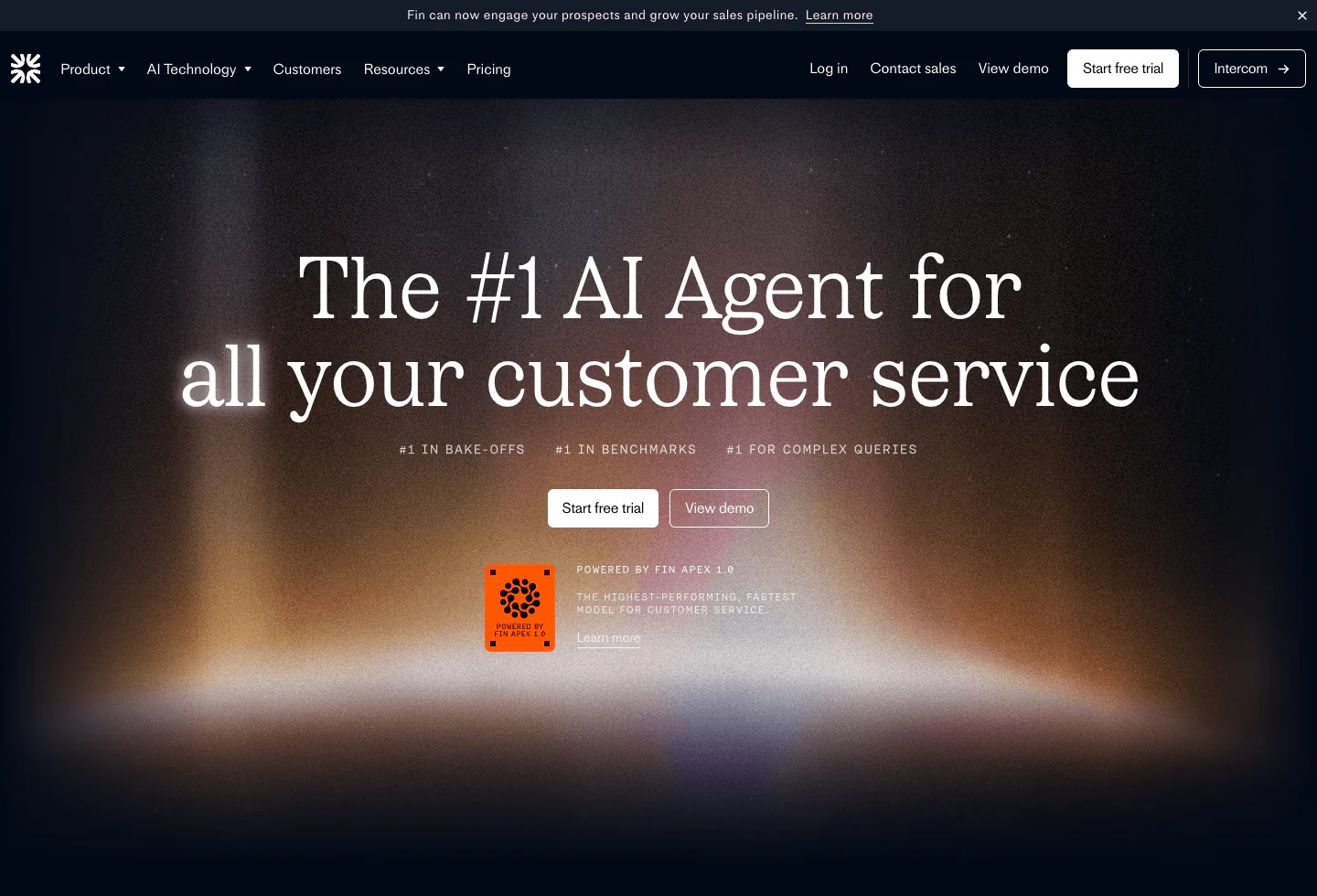
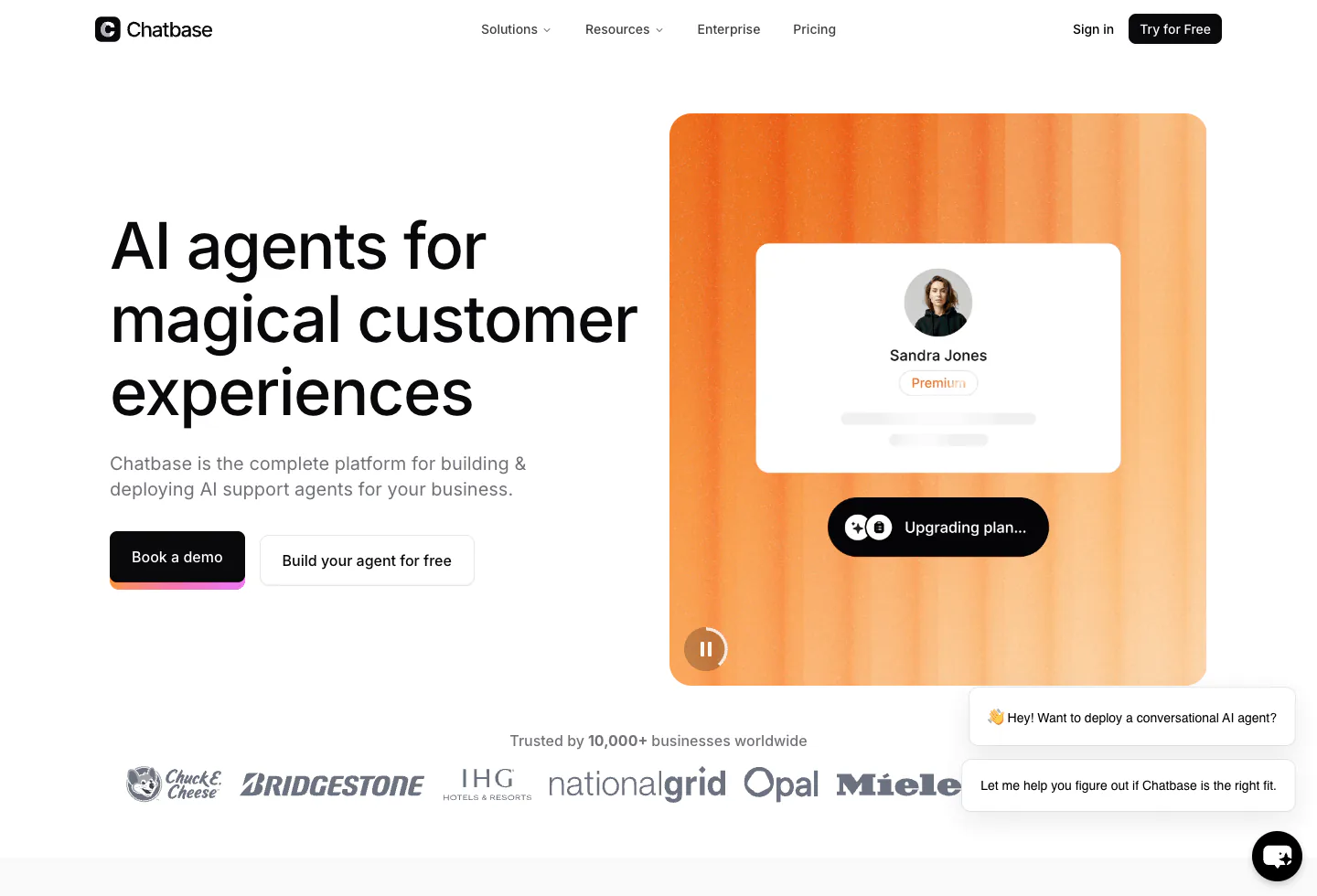
Intercom and Chatbase both use AI to answer customer questions, but they serve different infrastructure needs. Intercom Fin is AI integrated into a full helpdesk platform with inbox, ticketing, and multi-channel support. Chatbase is a website-first chatbot builder focused on embedding AI answers on your site.

Helpdesk-integrated AI with full support infrastructure

Website-first AI chatbot for FAQ automation
Updated Best AI Agent Tools
Fit
Choose Intercom if
Choose Intercom when you need a full helpdesk platform with AI integrated into ticketing, inbox management, and multi-channel support infrastructure. Best for teams that need human agents working alongside AI with conversation handoff, ticket assignment, and full support workflows.
Choose Chatbase if
Choose Chatbase when you need a focused website chatbot for FAQ automation and don't require a full helpdesk or multi-channel support. Best for teams wanting simple AI answers from their website content without the complexity and cost of helpdesk infrastructure.
Demos
Official walkthroughs for the two platforms on this page.
Intercom Fin
Chatbase
Decision frame
Use these questions before treating the table as a winner-take-all ranking.
The better shortlist candidate is the platform whose operating model matches your current channels, support ownership, and rollout constraints.
A simple answer bot, an agent-assist layer, and a tool-connected AI agent create different implementation and governance work.
Refunds, account changes, billing disputes, angry customers, legal requests, and low-confidence answers should have explicit handoff rules.
Official product pages, public pricing or product materials where listed, and the editorial criteria published on this site.
No private benchmark, customer satisfaction score, implementation result, customer quote, or fixed price is claimed on this comparison.
Treat channel support, integrations, plan packaging, workflow actions, and handoff behavior as demo questions before procurement.
| Criteria | Intercom | Chatbase |
|---|---|---|
| Primary use case | Helpdesk-integrated AI with full support infrastructure | Website-first AI chatbot for FAQ automation |
| AI approach | Fin AI integrated into helpdesk with inbox, ticketing, and handoff | Standalone website chatbot trained on your content |
| Resolution rate | Resolution-based pricing model indicates confidence; verify against your content | Depends on content quality; no workflow execution |
| Channels | Website, in-app messaging, email, social integrations | Website chat widget, embed, API |
| Helpdesk features | Full inbox, ticketing, assignment, SLA, reporting | No helpdesk - AI answers only |
| Human handoff | Native handoff to human agents with full context in inbox | Basic routing; no full helpdesk infrastructure |
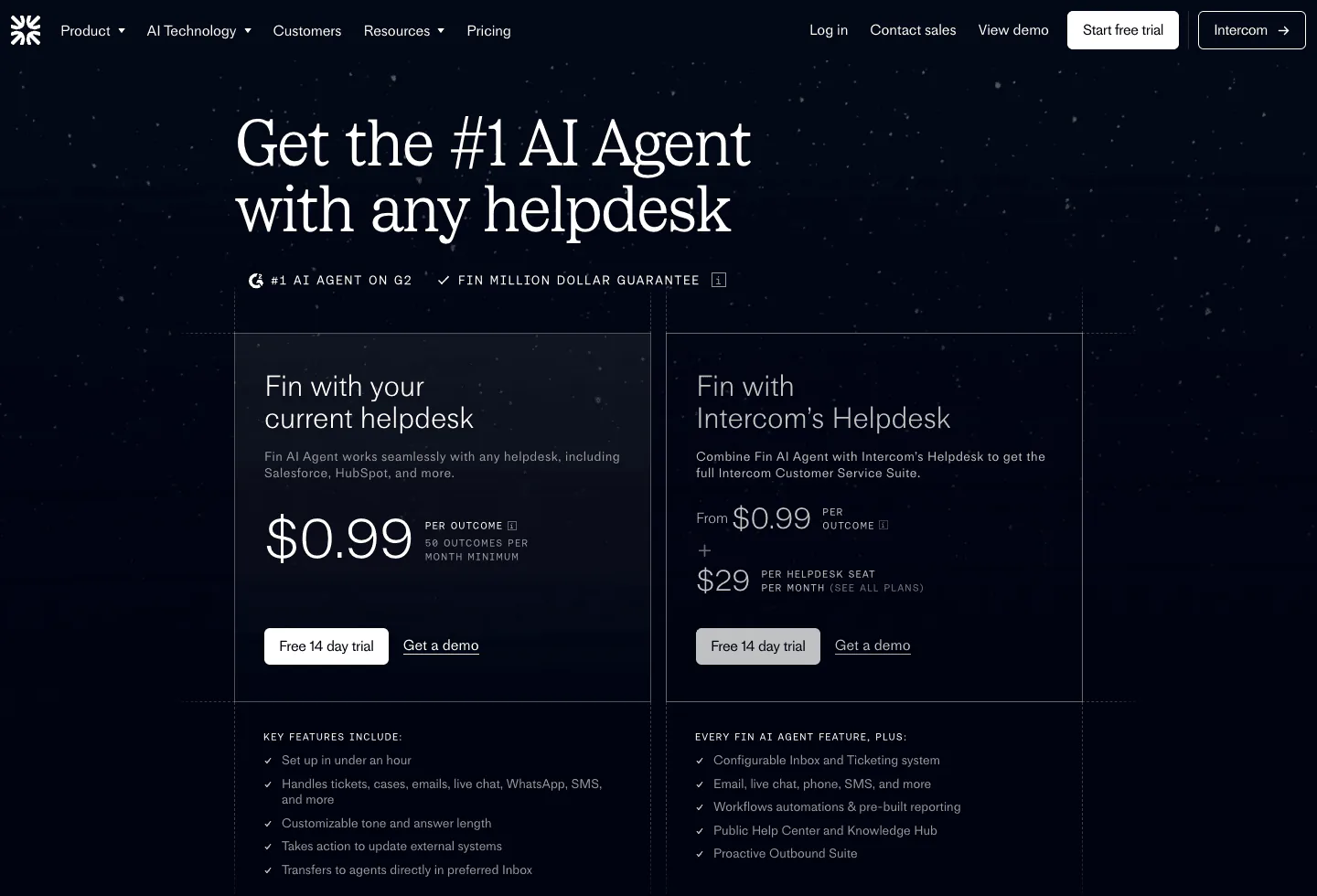
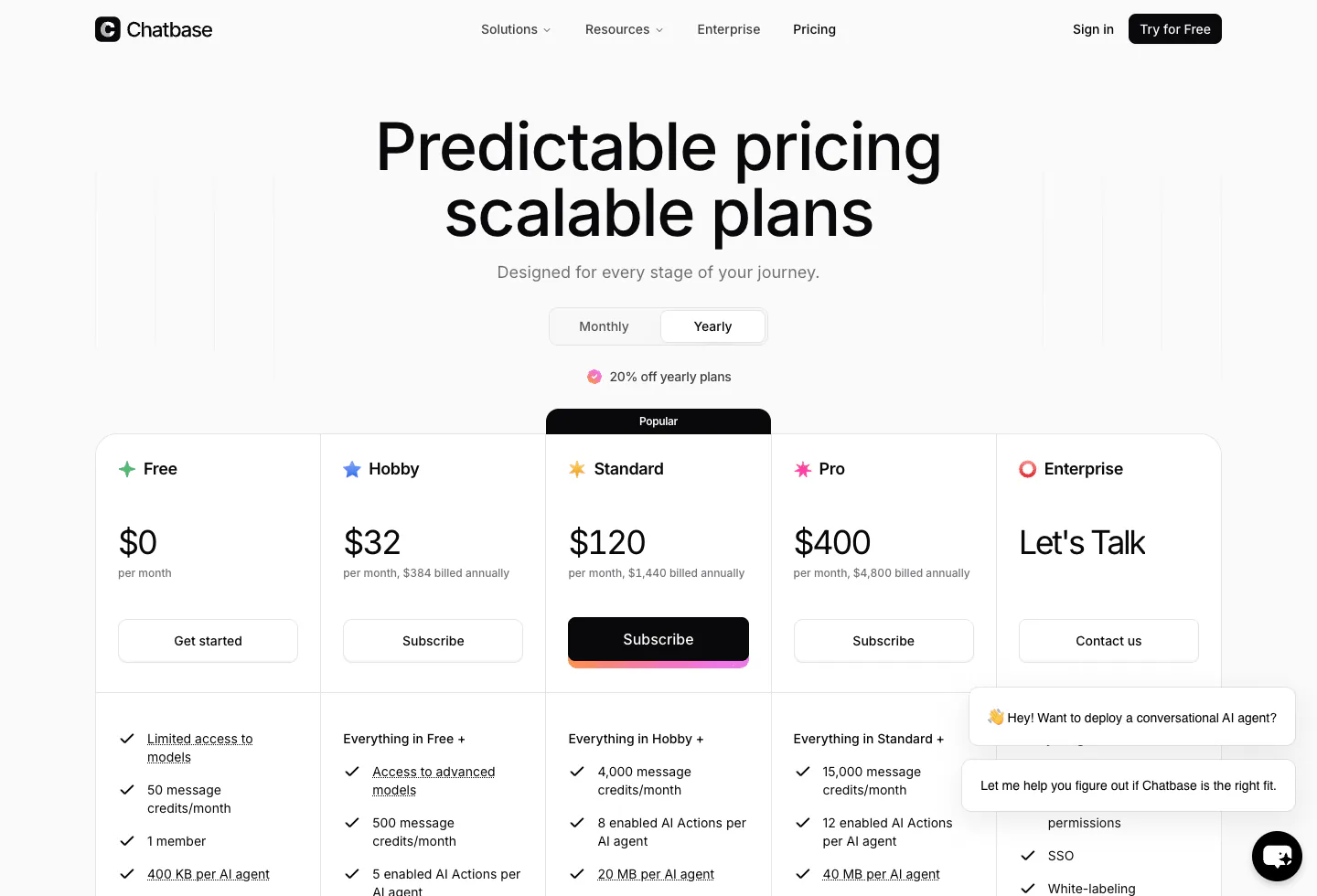
| Pricing model | Seat-based with resolution pricing for AI | Message-credit based; no seat fees |
| Setup complexity | Higher: requires helpdesk configuration, team onboarding | Lower: upload content, embed widget |
| Best for | Teams needing helpdesk with integrated AI | Teams needing simple website FAQ automation |
The key difference is infrastructure depth. Intercom is a full helpdesk platform with AI integrated into ticketing, inbox management, and human workflows. Chatbase is a focused website chatbot that answers questions from your content. If you need human agents working alongside AI, Intercom provides that infrastructure.
Intercom's AI handoff flows into a full inbox where human agents see conversation history, customer context, and ticket details. Chatbase can route inquiries but lacks the helpdesk infrastructure for sustained human support workflows. If your team handles escalations, Intercom is built for that scenario.
Intercom's seat-plus-resolution pricing is designed for teams with human agents. Chatbase's message-credit model works for standalone AI chatbot use. The cost structures serve different operational models - match the pricing to your support workflow.
Choose Intercom when you need a helpdesk with AI integrated into human support workflows. Choose Chatbase when you want a simple website chatbot for FAQ automation without helpdesk infrastructure.
Disqualification checks
Use these checks to avoid forcing a comparison when the buying problem is not ready or the workflow points elsewhere.
Risks
The biggest buying mistakes usually come from unclear implementation work, untested handoff paths, or pricing assumptions that change at production volume.
Intercom
Chatbase
Evidence checklist
Use the same evidence requests for both platforms so the comparison stays fair and operational.
| Area | Ask for | Why it matters |
|---|---|---|
| Knowledge quality | A demo using your help docs, policies, product pages, and real edge cases. | Generic demos hide stale content, weak retrieval, and poor answer boundaries. |
| Handoff | A live escalation from AI to human with transcript, intent, and context preserved. | Support quality drops when customers repeat themselves after automation fails. |
| Workflow actions | A sandbox workflow showing what the agent can read, write, approve, or route. | This separates simple question answering from real agent automation. |
| Pricing exposure | Plan requirements, usage limits, AI add-ons, and what happens as volume grows. | A low entry plan can become expensive when conversations, seats, or resolutions scale. |
Also review adjacent platforms when neither side matches the workflow, channel model, or implementation effort you need.
FAQ
Chatbase handles website AI support but lacks Intercom's helpdesk inbox, ticket management, and multi-channel support infrastructure. Teams needing full helpdesk functionality should not expect Chatbase to replace Intercom.
Chatbase is typically better for startups needing simple website FAQ automation without a full helpdesk. Intercom provides more infrastructure than needed if you only want an AI chatbot.
Intercom Fin is designed to work within the Intercom platform. It handles website chat, in-app messaging, and email within the Intercom ecosystem. For standalone website chatbot needs, Chatbase offers a focused alternative.
Next step
Use the methodology to evaluate channels, automation depth, handoff, integrations, and implementation fit before shortlisting a platform.
Read next
Continue with the pages most likely to sharpen the shortlist, demo plan, or vendor comparison.